
GameStop Shuttering Physical Stores Amidst Market Turmoil

GameStop's Silent Store Closures Spark Concern
GameStop is quietly shuttering numerous US stores, leaving customers and employees reeling. This wave of closures represents a significant decline for the once-dominant retailer, with nearly a third of its physical locations disappearing. Social media platforms are buzzing with reports from shocked customers and frustrated employees, painting a concerning picture of the company's future.
The world's largest brick-and-mortar video game retailer, GameStop (formerly Babbage's), boasts a 44-year history. Founded in 1980 with the backing of Ross Perot, it reached its zenith in 2015, boasting over 6,000 global locations and $9 billion in annual sales. However, the shift to digital game sales over the past nine years has severely impacted its performance. By February 2024, ScrapeHero data indicated a nearly one-third reduction in physical stores, leaving approximately 3,000 locations in the US.
Following a December 2024 SEC filing hinting at further closures, a flood of social media posts from customers and employees has confirmed the trend. Twitter and Reddit users share stories of unexpectedly closed stores, including accounts of popular, seemingly successful locations being shuttered—a worrying sign for less profitable outlets. Employees also voice concerns, citing "ridiculous goals" imposed by management during store assessment.
The Ongoing Decline of GameStop
The recent store closures are just the latest chapter in GameStop's ongoing struggle. A March 2024 Reuters report predicted a grim outlook, citing a 287-store closure in the preceding year and a nearly 20% (approximately $432 million) revenue drop in the fourth quarter of 2023 compared to 2022.
Numerous attempts to revitalize GameStop have been made over the years. Facing a dwindling customer base shifting to online purchases, the company has explored diverse strategies, from expanding into merchandise and apparel to venturing into phone trade-ins and trading card grading. A significant boost arrived in 2021 thanks to a surge of amateur investors on Reddit, a phenomenon documented in Netflix's "Eat the Rich: The GameStop Saga" and the film "Dumb Money." Despite these efforts, the recent closures suggest a continued battle for survival.
-
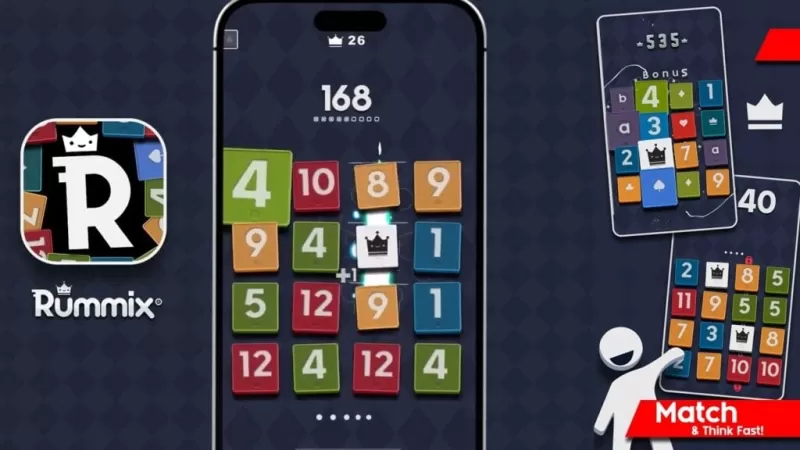 Rummix– The Ultimate Number-Matching Puzzle is a freshly launched Android game from Edco Games. True to its name, this card-based puzzler blends elements of Rummy and Threes into a unique number-matching experience.How Does Rummix– The Ultimate NumbeAuthor : Isabella Dec 07,2025
 -
 Take on the role of a wizard dashing through disintegrating neon environmentsCreate incredible combinations using 28 unique spells and 74 distinctive trinketsUnlock persistent enhancements, conquer the Neon Lord, and progress through escalating StormAuthor : Ryan Dec 06,2025

















- Stardew Valley: How To Befriend Willy
- DISCOVERY CHANNEL TO UNVEIL CROSSOVER IN 'Reverse: 1999' 2.0
- Crunchyroll Game Vault adds Battle Chasers: Nightwar, Dawn of the Monsters, Evan’s Remains and more
- Hotta Studio's Open-World RPG, Neverness to Everness, Announced
- Military Strategy Game Warpath Launches a Navy Update with 100 New Ships
- Half-Life 3 Speculations Spark Again as Risk of Rain Original Devs Join Valve's Game Dev Team