
Minecraft's Key Resource: Wood Essentials
Diving into the world of Minecraft, understanding the diverse types of trees and their wood is essential for both survival and creative building. In this comprehensive guide, we'll explore the twelve main types of trees found in Minecraft, detailing their unique features and how you can use them effectively across various aspects of the game.
Types of Trees in Minecraft
- Oak
- Birch
- Spruce
- Jungle
- Acacia
- Dark Oak
- Pale Oak
- Mangrove
- Warped
- Crimson
- Cherry
- Azalea
Oak
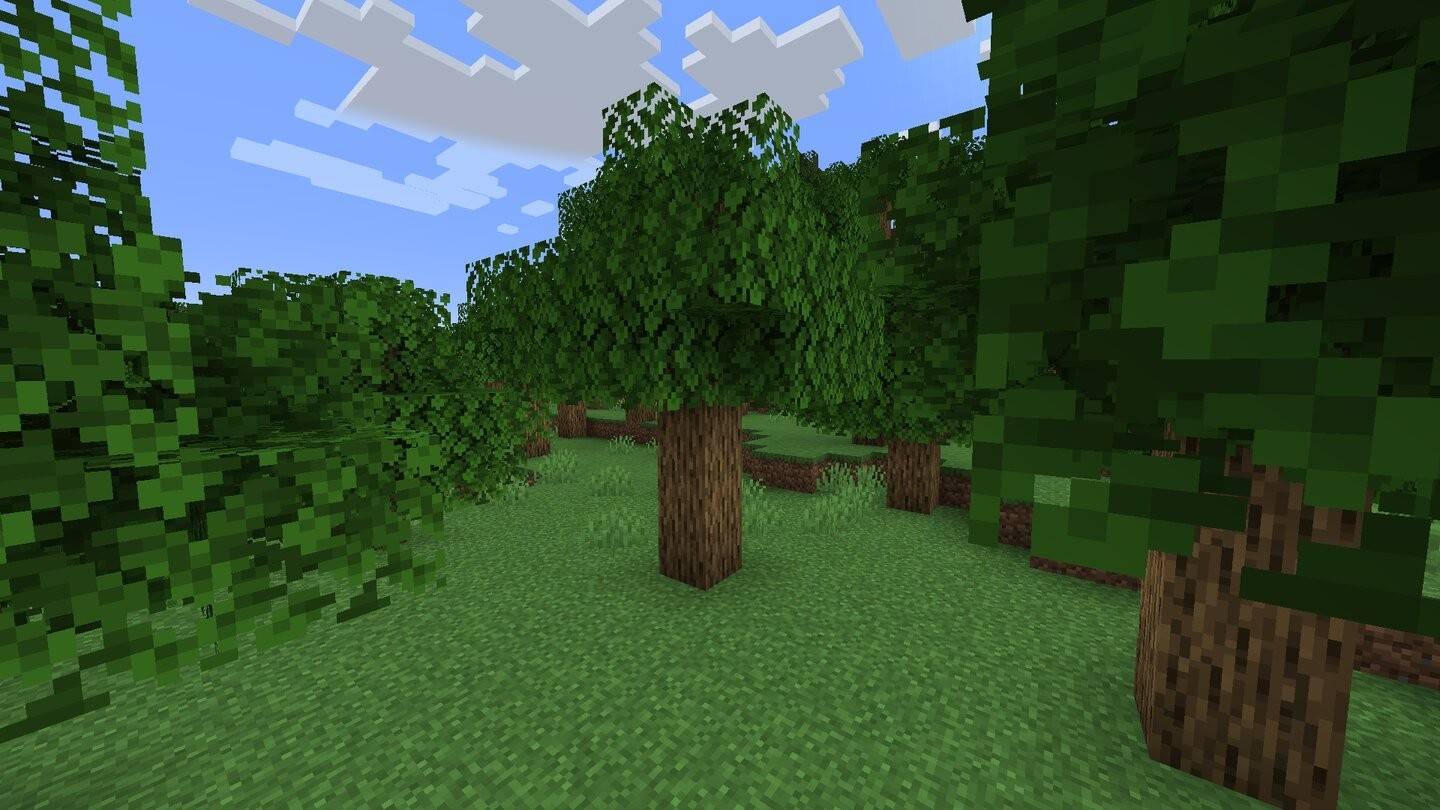 Image: ensigame.com
The oak tree is the most common type found in Minecraft, thriving in nearly every biome except deserts and icy tundras. Its wood is incredibly versatile, suitable for crafting planks, sticks, fences, and ladders. Oak trees also drop apples, which serve as early-game food or ingredients for golden apples. With its neutral tone, oak wood seamlessly integrates into various builds, from rustic cottages to urban structures, adding a classic and cozy feel.
Birch
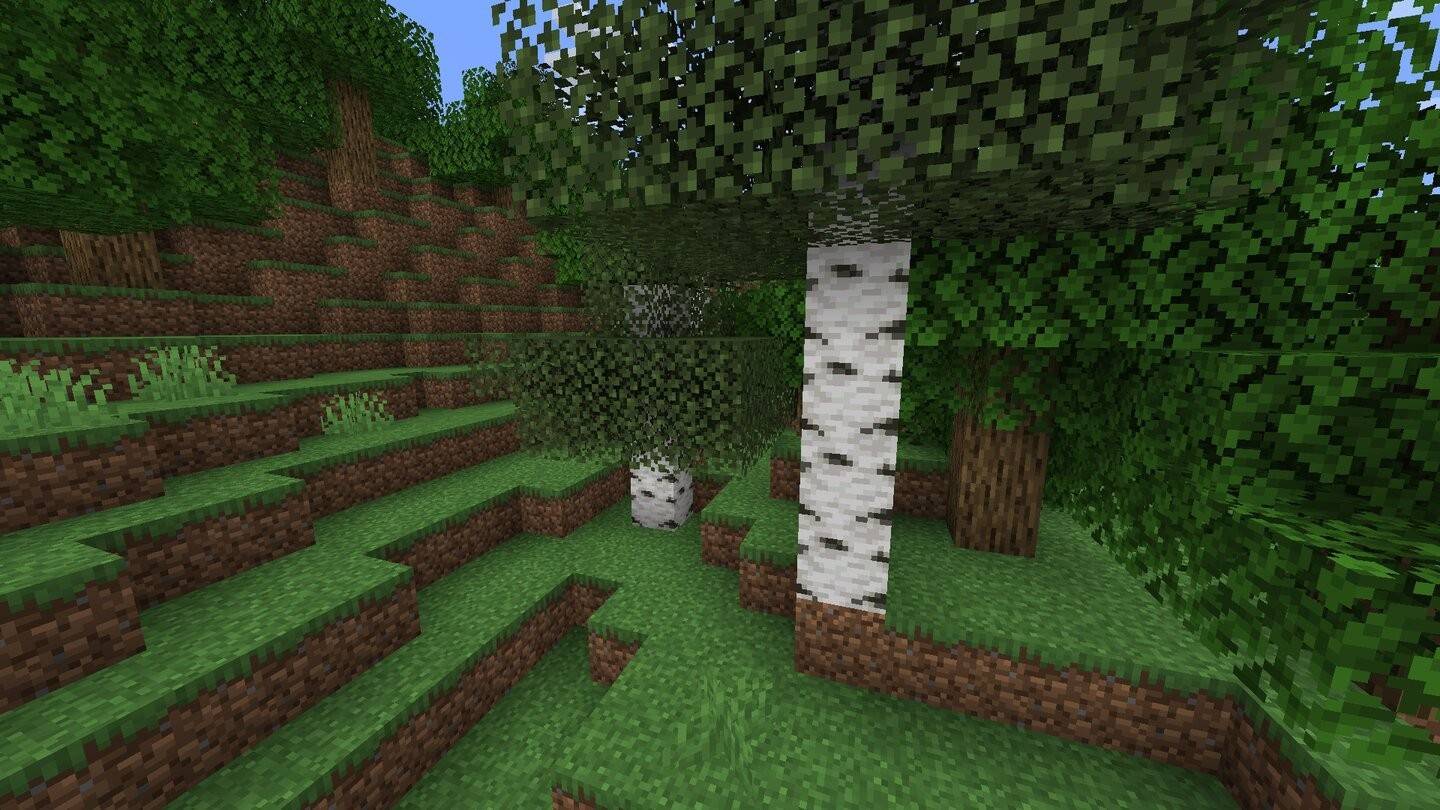 Image: ensigame.com
Birch trees, recognized by their light wood and distinctive pattern, are ideal for modern or minimalist designs. They grow in birch forests or mixed biomes. The birch's texture complements stone and glass, making it perfect for creating bright and spacious interiors that appeal to players looking for a stylish and contemporary aesthetic.
Spruce
 Image: ensigame.com
Spruce trees, with their dark wood, are excellent for gothic and medieval-themed builds. These trees are typically taller, which may complicate harvesting. Found in taiga and snowy biomes, spruce wood adds a warm, robust feel to structures, making it ideal for castles, bridges, or rustic country houses.
Jungle
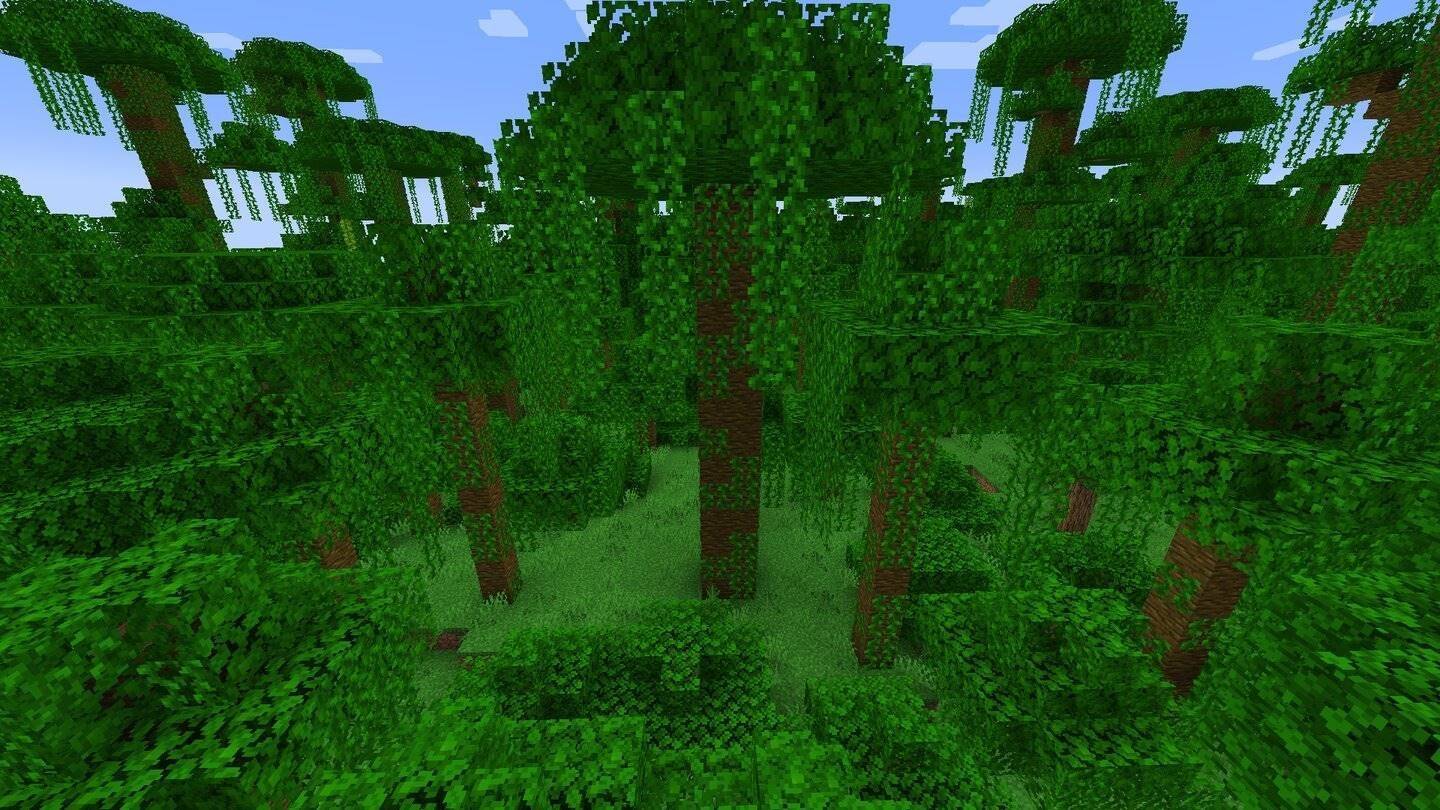 Image: ensigame.com
Jungle trees, found exclusively in jungle biomes, can grow to impressive heights. Their wood, with a vibrant hue, is often used for decorative purposes. Jungle trees also support cocoa growth, making them essential for cocoa farming. The exotic appearance of jungle wood is perfect for adventure-themed or pirate-inspired builds.
Acacia
 Image: ensigame.com
Acacia trees, with their reddish tint, are found in savannas and are ideal for ethnic-style villages or desert-themed constructions. Their unique shape with horizontally spreading branches adds character to builds inspired by African culture or desert settings.
Dark Oak
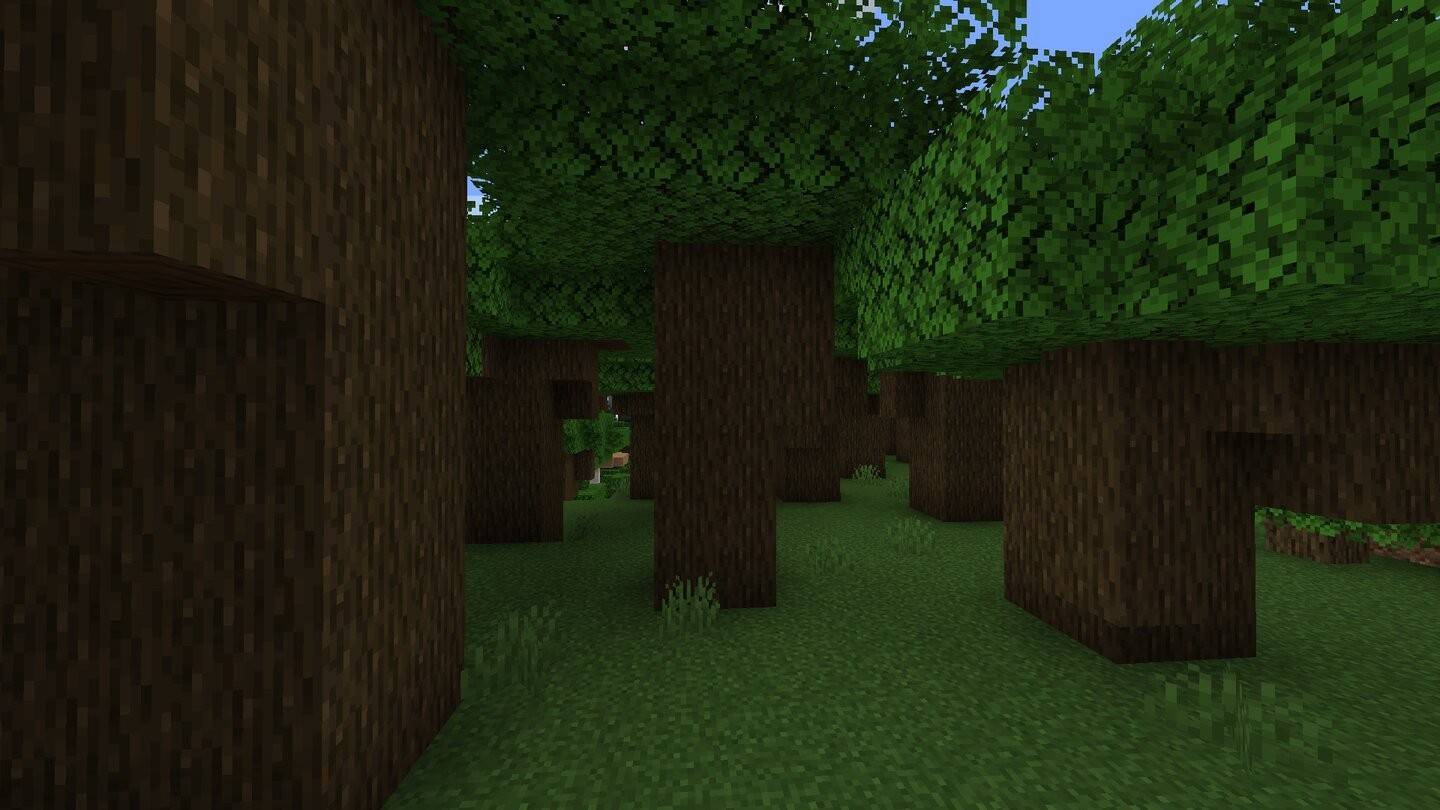 Image: ensigame.com
Dark oak trees, with their rich, chocolate-brown shade, are perfect for medieval structures and luxurious interiors. They are found only in the Roofed Forest biome and require four saplings to plant, making them a bit challenging to acquire early in the game. Their deep texture makes dark oak an excellent choice for massive doors and elegant builds.
Pale Oak
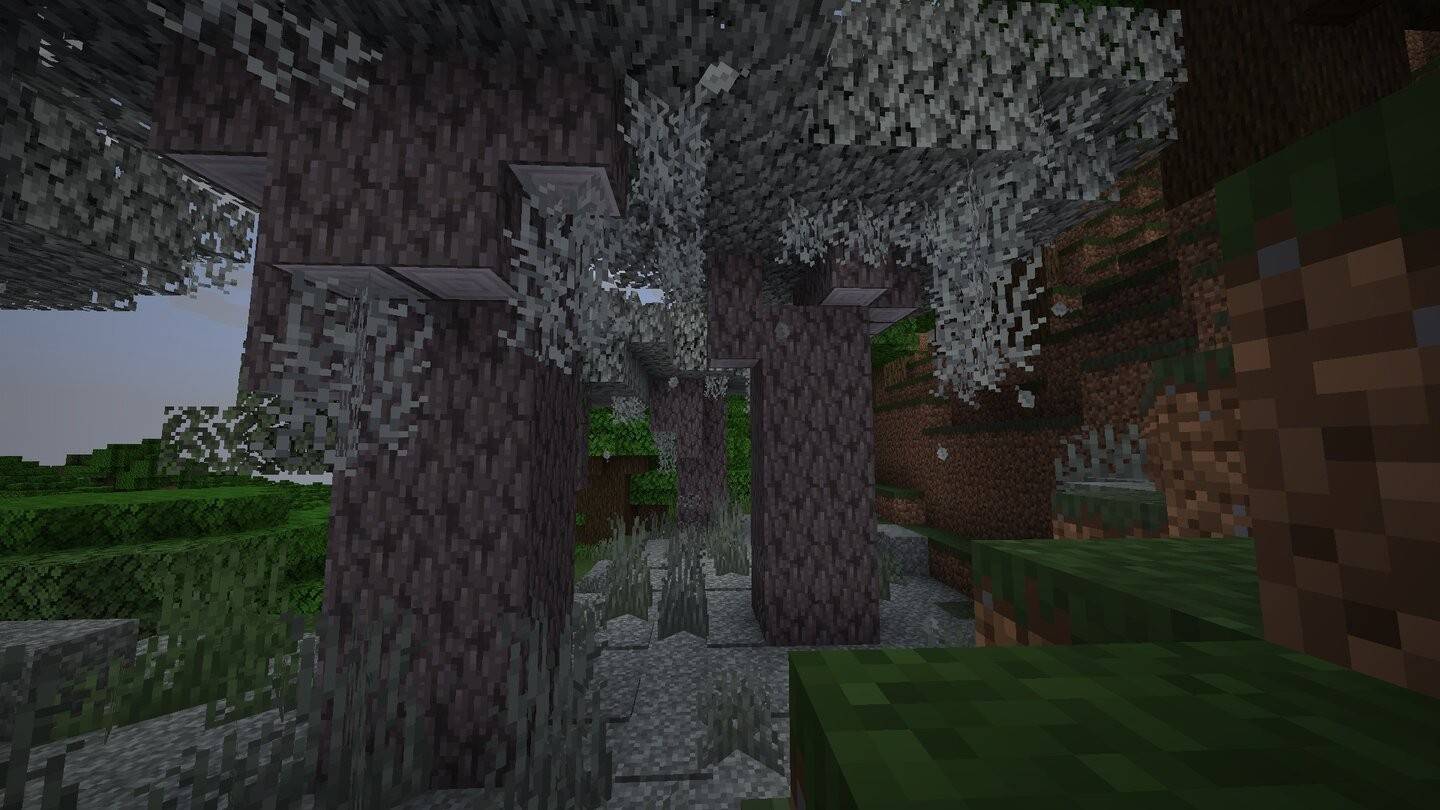 Image: ensigame.com
Pale oak trees, found only in the Pale Garden biome, are among the rarest in the game. They feature a gray-toned wood identical in texture to dark oak, with hanging pale moss and "skripcevina" inside the trunk that summons aggressive "skripuns" at night. This wood pairs well with dark oak, offering a contrasting color scheme for unique designs.
Mangrove
 Image: youtube.com
Mangrove trees, introduced in recent updates, grow in mangrove swamps. Their reddish-brown wood and visible roots make them ideal for building wooden piers, bridges, or swamp-themed structures, adding an authentic touch to your constructions.
Warped
 Image: feedback.minecraft.net
Warped trees, found in the Nether, have a distinctive turquoise color, perfect for fantasy-style builds like magic towers or mystical portals. Like all Nether trees, warped wood does not burn, making it suitable for unconventional constructions in hazardous environments.
Crimson
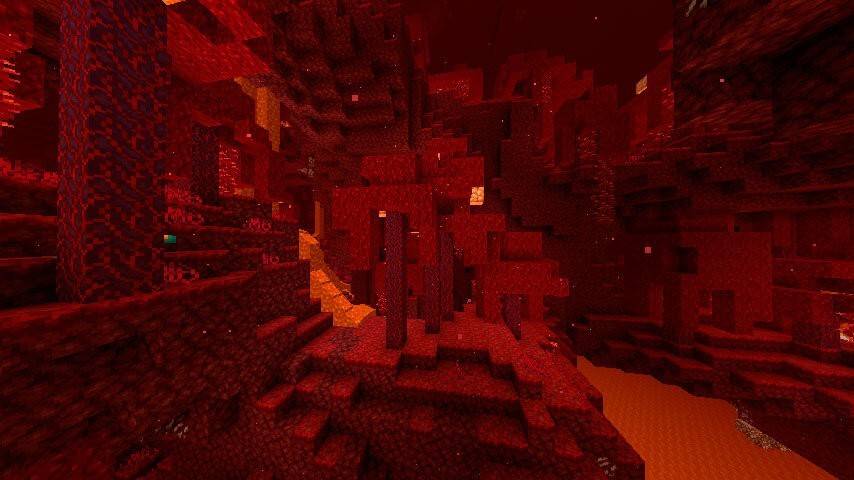 Image: pixelmon.site
Crimson trees, also from the Nether, feature a red-purple wood ideal for dark or demonic-themed builds. Non-flammable like warped wood, crimson is popular for Nether-inspired interiors and structures in challenging conditions.
Cherry
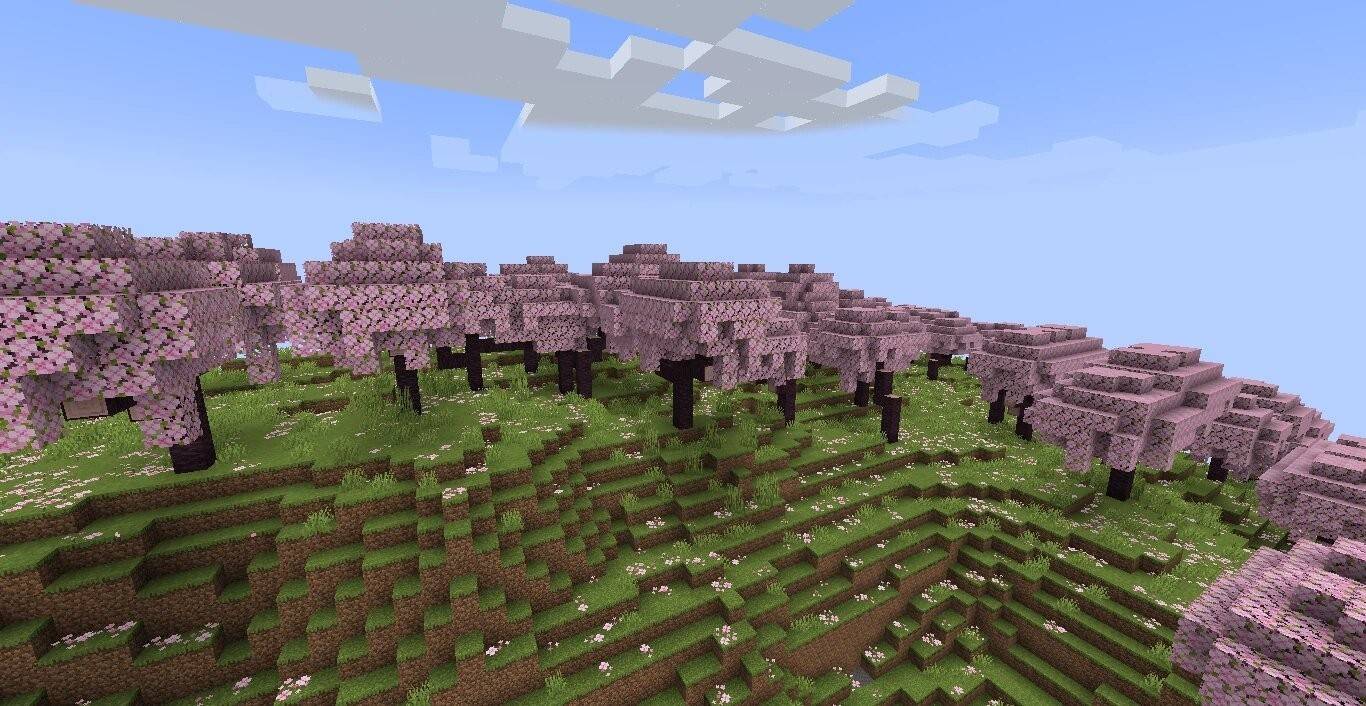 Image: minecraft.fandom.com
Cherry trees, found only in the cherry grove biome, are rare and known for their unique falling-petal particles. Their bright pink wood is perfect for creating atmospheric and one-of-a-kind interior designs and crafting unusual furniture.
Azalea
 Image: ensigame.com
Azalea trees, similar to oak but with distinctive features, grow above lush caves, making them useful for locating mines. They feature a root system and unique flowers on their leaves, adding design interest. Azalea wood, while functionally the same as oak, offers unique aesthetic possibilities.
In Minecraft, wood is more than just a resource; it's the backbone of your survival and creativity. While any type of wood can be used for crafting, the unique textures and colors of each type provide endless possibilities for building and decorating. By understanding the features of each tree type, you can leverage them effectively in construction, crafting, decor, and even farming. So, equip your axe, venture into the nearest forest, and start crafting your Minecraft masterpieces!
-
Rumors are swirling that Sony may be gearing up to introduce cross-platform purchasing for its games, following the appearance of a "Cross-Buy" graphic on the PlayStation Store. This has fueled speculation that players might soon buy a game once andAuthor : Mia Apr 04,2026
-
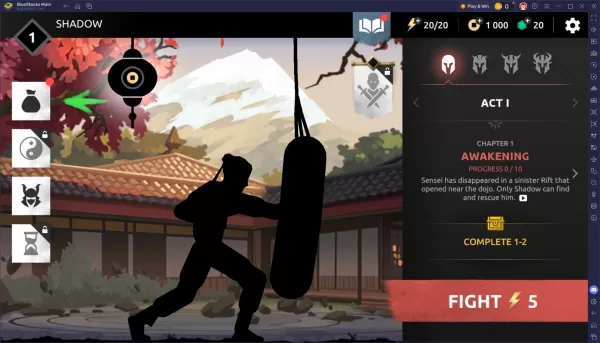 Shades: Shadow Fight Roguelike builds on the legendary saga, blending rogue-like gameplay, potent new skills, and demanding battles. Every expedition into the Rift presents randomized upgrades and relentless action, making it easy to see why playersAuthor : Jonathan Apr 04,2026
-
 Dangerous Fellows:Otome Dating ModDownload
 -
 Pixel Gun 3D - FPS ShooterDownload
 -
 Gartic.io - Draw, Guess, WINDownload
 -
 Gacha Evolution ModDownload
 -
 Classic Mahjong Earn BTCDownload
 -
 KOGA DominoDownload
 -
 Tanks BlitzDownload
 -
 Tiny ArchersDownload
 -
 Idle Basketball Legends TycoonDownload
 -
 You Let The Next Hero In 1-2Download










- Stardew Valley: How To Befriend Willy
- Crunchyroll Game Vault adds Battle Chasers: Nightwar, Dawn of the Monsters, Evan’s Remains and more
- DISCOVERY CHANNEL TO UNVEIL CROSSOVER IN 'Reverse: 1999' 2.0
- Hotta Studio's Open-World RPG, Neverness to Everness, Announced
- Military Strategy Game Warpath Launches a Navy Update with 100 New Ships
- Half-Life 3 Speculations Spark Again as Risk of Rain Original Devs Join Valve's Game Dev Team