
Trump Imposes 100% Tariff on Foreign Films
United States President Donald Trump has announced a bold new policy aimed at revitalizing the American movie industry by imposing a 100% tariff on films produced outside the United States. This declaration was made through a social media post on a Sunday afternoon, where Trump labeled the production of movies abroad as a "national security threat."
"The Movie Industry in America is DYING a very fast death," Trump stated. "Other Countries are offering all sorts of incentives to lure our filmmakers and studios away from the United States. Hollywood, and many other areas within the U.S.A., are being devastated. This is a concerted effort by other Nations and, therefore, a National Security threat. It is, in addition to everything else, messaging and propaganda! Therefore, I am authorizing the Department of Commerce, and the United States Trade Representative, to immediately begin the process of instituting a 100% Tariff on any and all Movies coming into our Country that are produced in Foreign Lands. WE WANT MOVIES MADE IN AMERICA, AGAIN!"
The practical implications of such a tariff remain unclear, including how it would be implemented and which specific productions would be affected. Many countries offer various tax incentives that make filming abroad financially appealing, such as in the UK, Australia, and several European countries.
Moreover, films often shoot in international locations to provide audiences with visually stunning and exotic settings. The impact of this new policy on global franchises like James Bond, John Wick, Extraction, or Mission: Impossible, which frequently film in various international locales, remains uncertain. The same applies to upcoming films like the F1 movie, which is shot on race tracks located outside the USA.
Additionally, it's uncertain how this tariff would affect movies currently in production or those already completed, why television productions are excluded from this plan, and what the repercussions might be for US movies internationally if other countries retaliate against this move to penalize their productions for seeking US audiences.-
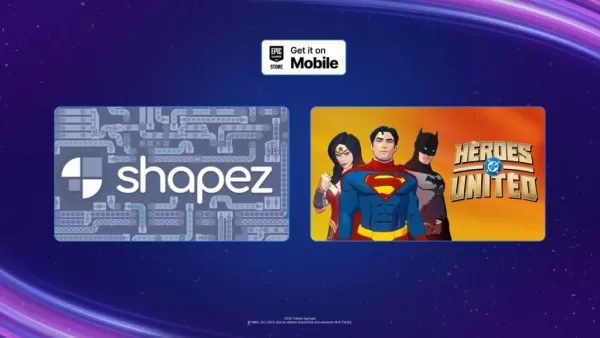 This week's free game lineup on the Epic Games Store mobile app is here, and it features DC Heroes United alongside Shapez.Whether you love factory simulations or superhero action, there's something for everyone. The games are free to claim from JuneAuthor : Andrew Apr 24,2026
 -
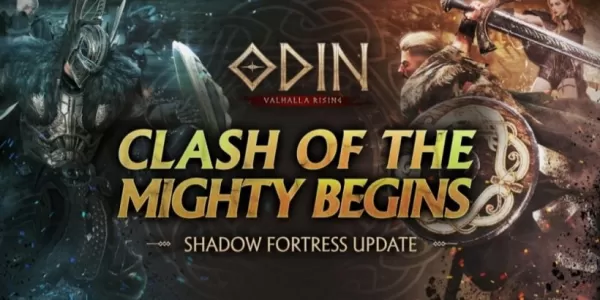 Shadow Fortress is the new elite dungeon featuring high-stakes encountersNew Imprint System lets you push your stats furtherThe Summer Island event features loads of rewards to gatherOdin: Valhalla Rising is turning up the heat this summer with its sAuthor : Camila Apr 22,2026










- Retro-Style Arcade Racer Victory Heat Rally Is Coming To Mobile Soon Via Crunchyroll!
- DISCOVERY CHANNEL TO UNVEIL CROSSOVER IN 'Reverse: 1999' 2.0
- Crunchyroll Game Vault adds Battle Chasers: Nightwar, Dawn of the Monsters, Evan’s Remains and more
- Hotta Studio's Open-World RPG, Neverness to Everness, Announced
- Military Strategy Game Warpath Launches a Navy Update with 100 New Ships
- Golden Joystick Awards 2024 Was a Big Showing for Indie Games