
"Clair Obscur: Expedition 33 Sparks Debate on Turn-Based Games"
The topic of turn-based games has been a staple in role-playing game (RPG) discussions for years, and the recent release of *Clair Obscur: Expedition 33* has reignited this conversation. Launched last week, *Clair Obscur: Expedition 33* has been hailed as an exceptional RPG by IGN and numerous other sources. The game proudly showcases its inspirations, featuring a turn-based system, Pictos to equip and master, zoned-out "dungeons" to explore, and an overworld map.
In an interview with RPGsite, producer Francois Meurisse revealed that *Clair Obscur* was designed as a turn-based game from the outset, drawing inspiration from classics like *Final Fantasy VIII, IX, and X*. Additionally, the game incorporates elements from *Sekiro: Shadows Die Twice* and *Mario & Luigi*, blending quick-time events for attacks and parrying/dodging for defense. This hybrid approach results in a gameplay experience that feels traditional during strategy phases and more action-oriented during combat and defense, sparking significant interest and debate within the gaming community.
The success of *Clair Obscur* has fueled discussions on social media, particularly among fans of the *Final Fantasy* series. Naoki Yoshida, during the media tour for *Final Fantasy XVI*, discussed the shift towards more action-based mechanics in RPGs, citing a growing preference among younger audiences for real-time gameplay over command-based systems. This shift is evident in recent *Final Fantasy* titles like *XV, XVI*, and the *VII* remake series, which have embraced more action-driven gameplay, attracting both praise and criticism.
However, *Clair Obscur*'s success has led some to argue in favor of turn-based systems, suggesting that the genre still holds significant appeal. Yet, the situation is more nuanced. Square Enix has not abandoned turn-based games entirely; titles like *Octopath Traveler 2* and *SaGa Emerald Beyond*, along with the upcoming *Bravely Default* remaster for Switch 2, demonstrate continued support for the format.
While some might suggest that *Final Fantasy* should adopt *Clair Obscur*'s approach, it's important to recognize that each series has its unique identity and aesthetic. *Clair Obscur* may share similarities with *Final Fantasy*, but it also stands out with its innovative combat systems, compelling soundtrack, and detailed world-building. Reducing it to a mere imitation of *Final Fantasy* overlooks its originality and the creative vision of its developers.
Historical debates about RPGs, such as those surrounding *Lost Odyssey* and comparisons between *Final Fantasy VII* and *VI*, highlight the ongoing discourse within the community. Sales figures, which influenced Yoshida's comments on *Final Fantasy XVI*, also play a crucial role in game development decisions. Despite *Clair Obscur*'s impressive sales of 1 million copies in three days, Square Enix's expectations for *Final Fantasy* are typically higher.
The success of other turn-based RPGs like *Baldur's Gate 3* and *Metaphor: ReFantazio* further illustrates that the genre can achieve both critical acclaim and commercial success. *Clair Obscur*'s achievement is a testament to the potential of mid-budget RPGs, suggesting a possible resurgence of this style alongside titles like *Visions of Mana* and *Ruined King*.
However, whether *Clair Obscur*'s success signals a necessary shift for *Final Fantasy* remains uncertain. Recent entries like *Final Fantasy XVI* and *FF7 Rebirth* have faced challenges in meeting profit expectations, influenced by broader trends in the gaming industry and the high costs associated with developing major franchise titles.
Ultimately, the key takeaway from *Clair Obscur*'s success is the importance of authenticity in game development. Projects that genuinely reflect their creators' vision, like *Clair Obscur* and *Baldur's Gate 3*, can achieve significant success. As Swen Vincke of Larian Studios emphasized, the focus should be on creating a good game that the team is passionate about, rather than rehashing old debates. This approach offers a promising path forward for the RPG genre and the gaming industry as a whole.
-
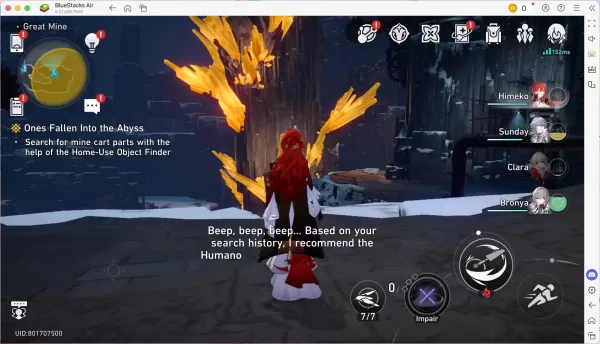 The gaming landscape keeps advancing, and with groundbreaking solutions like BlueStacks Air, enjoying Android games on Mac has reached new heights of convenience and entertainment. Honkai: Star Rail stands out as a prime example - HoYoverse's turn-baAuthor : Aaliyah Apr 15,2026
 -
 Following today's Nintendo Direct presentation for the Switch 2, Nintendo has officially announced a retail price of $449.99.The Nintendo Switch 2, launching on June 5, 2025, was fully unveiled today, with pre-orders set to begin on April 9.“The NintAuthor : Riley Apr 15,2026









- Retro-Style Arcade Racer Victory Heat Rally Is Coming To Mobile Soon Via Crunchyroll!
- DISCOVERY CHANNEL TO UNVEIL CROSSOVER IN 'Reverse: 1999' 2.0
- Crunchyroll Game Vault adds Battle Chasers: Nightwar, Dawn of the Monsters, Evan’s Remains and more
- Hotta Studio's Open-World RPG, Neverness to Everness, Announced
- Military Strategy Game Warpath Launches a Navy Update with 100 New Ships
- Golden Joystick Awards 2024 Was a Big Showing for Indie Games