
Microsoft Hikes Xbox Prices; Analysts Predict Similar Moves by PlayStation
In recent weeks, the video game industry has seen a significant shift with Microsoft raising the prices of all its Xbox Series consoles and many of its accessories globally. This move also included a confirmation that some new games would be priced at $80 during the upcoming holiday season. Not long before, PlayStation had similarly increased console prices in select regions, and Nintendo adjusted its Switch 2 accessory prices, alongside announcing its first $80 game. These changes reflect a broader trend of tariff-induced price hikes that have left many gamers feeling the pinch.
To understand these developments, I reached out to a variety of industry analysts. The consensus is clear: the primary driver behind these price increases is tariffs. Dr. Serkan Toto, CEO of Kantan Games, Inc., explained that since Microsoft's consoles are manufactured in Asia, these price hikes should come as no surprise. He noted that the timing of the announcement was strategic, leveraging the current economic climate to minimize backlash. "It was a clever move from Microsoft to use the current economic climate as a backdrop to not only push the price hikes in the U.S. but also globally," Toto said.
Joost van Dreunen, a professor at NYU Stern and author of the SuperJoost Playlist newsletter, concurred with Toto's assessment. He described Microsoft's approach as "ripping off the Band-Aid all at once rather than death by a thousand cuts," suggesting that the company aimed to consolidate consumer reaction into a single news cycle. This strategy helps Microsoft maintain its pricing position in an increasingly service-oriented market where hardware is just the entry point.
Other experts, such as Manu Rosier from Newzoo and Rhys Elliott from Alinea Analytics, also highlighted tariffs as a significant factor. Rosier emphasized that announcing the increase well before the holiday season allows partners and consumers time to adjust. Elliott pointed out that while digital software remains unaffected by tariffs, the price increase in games helps offset the higher hardware manufacturing costs.
Beyond tariffs, Piers Harding-Rolls from Ampere Analytics noted additional factors contributing to the price hikes, including persistent inflation and increased supply chain costs. He also mentioned that the launch prices of competitors like the Switch 2 and Sony's recent price adjustments likely influenced Microsoft's decision. "Even with a 27% increase in the U.S., the cheapest Xbox Series S console is $70 cheaper than the Switch 2," Harding-Rolls said, indicating room for Microsoft to maneuver.
Blinking Third
Given these developments, the question arises: will Sony follow suit with price increases on PlayStation hardware, accessories, and games? Most analysts believe it's likely. Rhys Elliott was particularly confident, predicting that PlayStation would also increase software prices. "This is just the beginning," he stated, suggesting that the market can bear higher prices, as evidenced by the willingness of gamers to pay for early access.
Daniel Ahmad from Niko Partners noted that Sony has already raised console prices in certain regions outside the U.S., but the American market might be next. "There is a reluctance from both Sony and Microsoft to raise prices in the U.S. given the size and importance of the market," Ahmad said. James McWhirter from Omdia added that PS5 hardware, manufactured in China, is vulnerable to U.S. tariffs, but the timing of Microsoft's adjustments might prompt Sony to act.
Mat Piscatella from Circana was cautious about predicting Sony's actions but referenced the Entertainment Software Association's statements on tariffs, suggesting that rising prices are a symptom of broader economic pressures. Meanwhile, Nintendo has hinted at potential future price adjustments in response to ongoing tariff changes.
Video Games Are Fine... But Are We?
The recent price increases have led to speculation about their impact on console manufacturers. Analysts, however, do not foresee significant harm. Microsoft's 'This Is An Xbox' campaign indicates the company's shift towards a service platform, which might cushion the blow of declining hardware sales. Harding-Rolls predicted a slight decline in Xbox hardware sales but highlighted an expected boost in Q2 2026 due to the launch of GTA 6.
Despite higher prices, analysts like Elliott and Rosier believe that overall gaming spending will remain resilient. Elliott pointed out that games are price-inelastic, meaning consumers continue to spend even in tough economic times. Rosier suggested that as prices rise, consumers might shift spending towards subscriptions, discounted bundles, or live-service games, potentially accelerating the transition to service-based ecosystems.
Harding-Rolls noted that the U.S., being the largest console market, might feel the impact more acutely, while Ahmad predicted growth in Asian and MENA markets. McWhirter suggested that while full game pricing might not follow inflation, the move to $80 games by Xbox and Nintendo indicates a trend that other publishers may follow.
Piscatella expressed a more cautious view, emphasizing the uncertainty in the market. He predicted a shift towards free-to-play and accessible gaming, with players spending more time on existing games and devices. "The error bars on any forecast are bigger now than they've ever been given the uncertainty in the market," he concluded, highlighting the unpredictable nature of the current economic climate.
-
 The first public playable demo for MARVEL Tōkon: Fighting Souls will debut at EVO 2025. This article covers what to expect from the demo and details on the developer panel taking place during the event.MARVEL Tōkon: Fighting Souls Makes Its Way to EVAuthor : Leo Mar 05,2026
 -
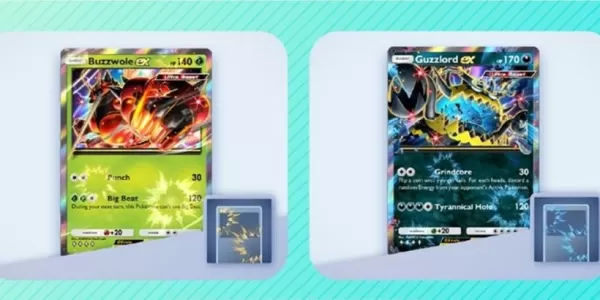 Pokémon TCG Pocket's latest Mass Outbreak event has begunUltra Beasts return to the spotlightComplete challenges or use Wonder Pick to acquire missing cards or obtain entirely new additionsFor Pokémon Trading Card Game Pocket enthusiasts, the recentAuthor : Aaliyah Mar 04,2026

















- Retro-Style Arcade Racer Victory Heat Rally Is Coming To Mobile Soon Via Crunchyroll!
- Crunchyroll Game Vault adds Battle Chasers: Nightwar, Dawn of the Monsters, Evan’s Remains and more
- DISCOVERY CHANNEL TO UNVEIL CROSSOVER IN 'Reverse: 1999' 2.0
- Hotta Studio's Open-World RPG, Neverness to Everness, Announced
- Military Strategy Game Warpath Launches a Navy Update with 100 New Ships
- Half-Life 3 Speculations Spark Again as Risk of Rain Original Devs Join Valve's Game Dev Team