
"Monster Hunter Weapons: A Historical Overview"

Monster Hunter is renowned for its diverse weapon types and engaging gameplay, but did you know that some weapons from older games haven't made it to the newer releases? Dive into the history of Monster Hunter weapons to uncover their evolution and more.
← Return to Monster Hunter Wilds' main article
History of Weapon Types in Monster Hunter

Monster Hunter has been captivating players for over two decades since its debut in 2004. A hallmark of the series is the wide array of weapon types, each offering unique strengths, weaknesses, movesets, and mechanics. Monster Hunter Wilds will feature fourteen distinct weapon types, each requiring mastery to unlock their full potential.
The evolution of these weapons is remarkable, with the Great Sword's transformation from its initial version to the latest being a prime example. Moreover, some weapons from earlier games have never been released in the West. Let's explore the rich history of Monster Hunter, focusing on the pivotal role of weapons.
First Generation
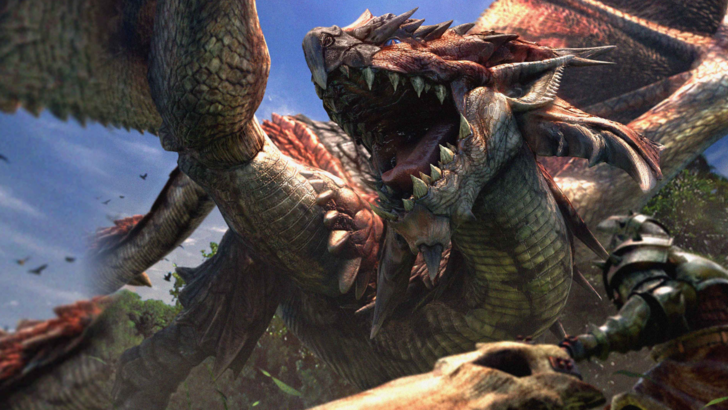
The first generation introduced weapons that have become iconic within the series. These original weapons have evolved significantly, with enhanced movesets and mechanics over time.
Great Sword

The Great Sword, an emblematic weapon since the 2004 release, is known for its high damage output. However, its slow movement and attack speed require strategic hit-and-run tactics. Initially, the Great Sword emphasized spacing and timing, with its middle blade dealing the most damage.
In Monster Hunter 2, the Charged Slash was introduced, allowing hunters to charge the weapon for devastating blows. Subsequent games refined this mechanic, adding new finishers and improving combo fluidity. The shoulder tackle in Monster Hunter World further enhanced its versatility, enabling quicker access to charged attacks. Mastering the Great Sword involves balancing its low skill floor with a high skill ceiling, particularly in using the True Charged Slash effectively.
Sword and Shield

The Sword and Shield epitomizes versatility with its balanced attributes. While it delivers lower single-hit damage, it compensates with quick combos, mobility, and utility. Initially designed for beginners, it has evolved with additional mechanics like item use without sheathing in Monster Hunter 2.
Over time, the weapon's moveset expanded with the shield bash combo, backstep, and jumping attacks in Monster Hunter 3 and 4, culminating in the Perfect Rush combo and aerial finishers in Monster Hunter World and Rise. Despite its simplicity, the Sword and Shield offers depth and complexity, making it a formidable choice for players who delve into its mechanics.
Hammer

The Hammer, focused on blunt damage, excels at breaking monster parts, particularly heads, to stun them. Post-Monster Hunter 2, it became known as the "king of KOs." Its playstyle, akin to the Great Sword's hit-and-run, boasts surprising mobility and a unique charge mechanic allowing movement.
While its moveset remained largely consistent, Monster Hunter World and Rise introduced significant changes, such as the Big Bang and Spinning Bludgeon attacks. The addition of Strength and Courage modes further enriched its gameplay, requiring players to adapt their strategy based on the monster and maintain charge effectively.
Lance

The Lance embodies the adage "a good offense is a great defense," offering both range and a formidable shield. Its defensive prowess is unmatched, turning hunters into tanks with the right skill setup. The Lance's playstyle focuses on poking from a safe distance, reinforced by a Counter mechanic added in later iterations.
Despite its slow movement and limited attacks, the Lance's damage output is substantial. It rewards players who stand their ground, offering a unique gameplay experience compared to more agile weapons.
Light Bowgun
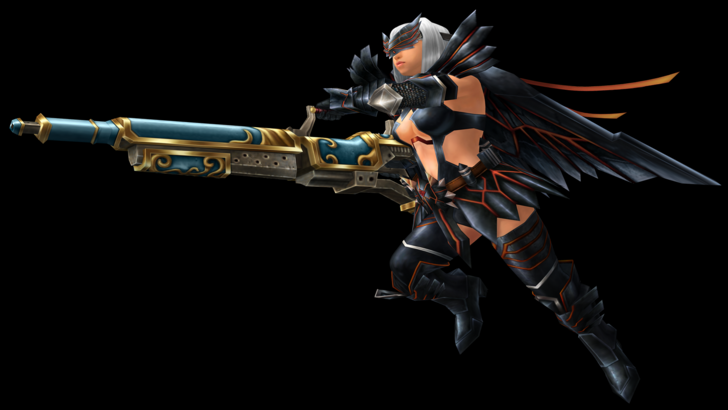
The Light Bowgun, a ranged weapon from the first generation, offers mobility and quick reloads. While its firepower is less than the Heavy Bowgun, it compensates with customization options like long barrels and silencers.
The introduction of Rapid Fire in certain ammo types and the Critical Distance mechanic in Monster Hunter 4 added depth to its gameplay. Monster Hunter World's Wyvernblast and slide maneuver further enhanced its mobile, run-and-gun style, distinguishing it from its heavier counterpart.
Heavy Bowgun
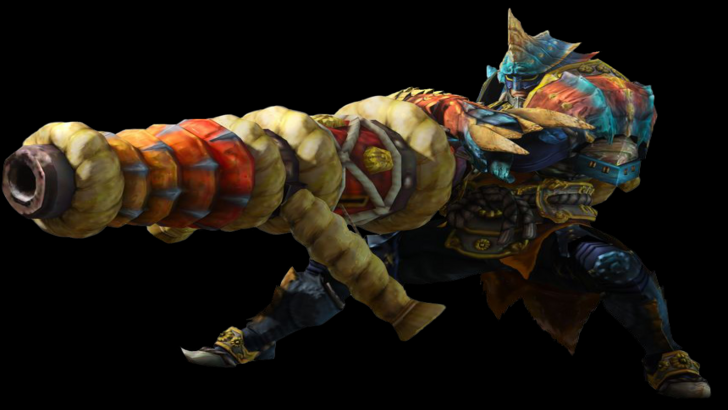
The Heavy Bowgun, a premier ranged weapon, offers high damage and versatile ammunition options. Its drawback is its slow movement when drawn, requiring strategic positioning.
In Monster Hunter 3, Siege Mode allowed continuous shelling without reloading. Monster Hunter World introduced Wyvernheart and Wyvernsnipe, special ammo types that added complexity to its gameplay. Both bowguns require ammunition management, with stronger shells needing crafting during hunts.
Dual Blades
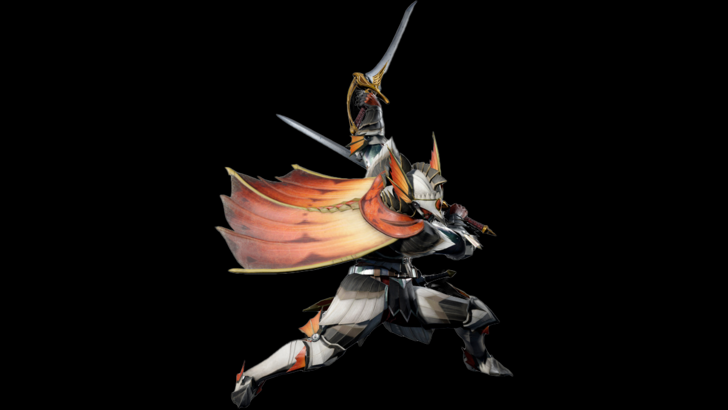
The Dual Blades, known for their speed and ability to inflict status ailments, were introduced in the Western release of the first game. Their gameplay revolves around fast, fluid combos and Demon Mode, which enhances damage and provides access to more offensive maneuvers.
Monster Hunter Portable 3rd and 3 Ultimate introduced the Demon Gauge and Archdemon Mode, revolutionizing the weapon's use by allowing stamina-free access to Demon Mode attacks. The Demon Dash and Adept Hunter Style in Monster Hunter Generations Ultimate further enhanced its mobility and offensive capabilities.
Second Generation

The second generation introduced weapons that, while similar to their first-generation counterparts, offered unique movesets and mechanics.
Long Sword

The Long Sword, known for fluid combos and high damage, was introduced in Monster Hunter 2. It shares similarities with the Great Sword but offers greater mobility and combo freedom. Its core mechanic, the Spirit Gauge, allows access to powerful Spirit Combos when filled.
Monster Hunter 3 added new levels to the Spirit Gauge, culminating in the Spirit Roundslash finisher. Monster Hunter World introduced the Spirit Thrust Helm Breaker and Foresight Slash, enhancing its counter-based playstyle. Iceborne's Iai Stance further refined its mechanics, making the Long Sword a dynamic weapon that balances offense and defense.
Hunting Horn

The Hunting Horn, a support weapon introduced in Monster Hunter 2, features the Recital mechanic, where different note combinations provide beneficial effects. While it deals impact damage like the Hammer, its primary role is support.
Over time, the Recital mechanic evolved, allowing note playing during attacks in Monster Hunter 3 Ultimate. Monster Hunter World introduced song queuing and Echo Notes, enhancing its fluidity. Monster Hunter Rise overhauled the weapon, simplifying song activation and buff application, though this change was divisive among players.
Gunlance

The Gunlance, introduced in the second generation, combines elements of the Lance and Bowgun. It features unlimited ammunition regained through reloading, with different Shelling Abilities affecting its explosive attacks.
Monster Hunter 3 introduced the quick reload mechanic and Full Burst attack, enhancing its aggressive playstyle. Monster Hunter X added the Heat Gauge, adding a new layer to its offense. Monster Hunter World introduced the Wyrmstake Shot, further enriching its moveset. The Gunlance requires a balance between shelling and physical attacks to maximize its potential.
Bow

The Bow, introduced in Monster Hunter 2, is the most agile ranged weapon, focusing on close-to-mid-range combat. It uses Coatings to enhance damage or inflict effects and features chargeable attacks.
Its mobility and combo-based gameplay were enhanced over time, with Monster Hunter World simplifying Shot Types and introducing the universal Close-Range Coating. Monster Hunter Rise reintroduced Shot Types tied to charge levels, adding complexity to its gameplay. The Bow's aggressive, combo-heavy style distinguishes it from other ranged weapons.
Third and Fourth Generation
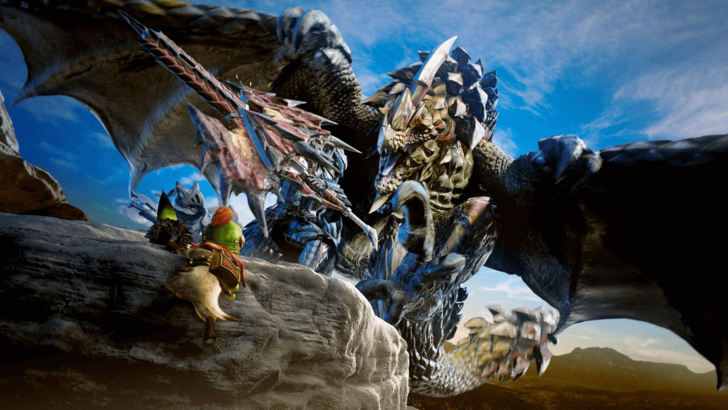
The third and fourth generations introduced unique weapons with innovative mechanics, including morphable weapons and the Insect Glaive's buff collection system.
Switch Axe

The Switch Axe, introduced in Monster Hunter 3, features two modes: Axe Mode for mobility and Sword Mode for damage. Initially requiring a quest to unlock, it later became available from the start.
The weapon's balance between modes and morphing capabilities were refined over time. Monster Hunter World introduced the Amped state, empowering Sword Mode with phials. Monster Hunter Rise extended this to both modes, encouraging fluid form-switching during combat.
Insect Glaive
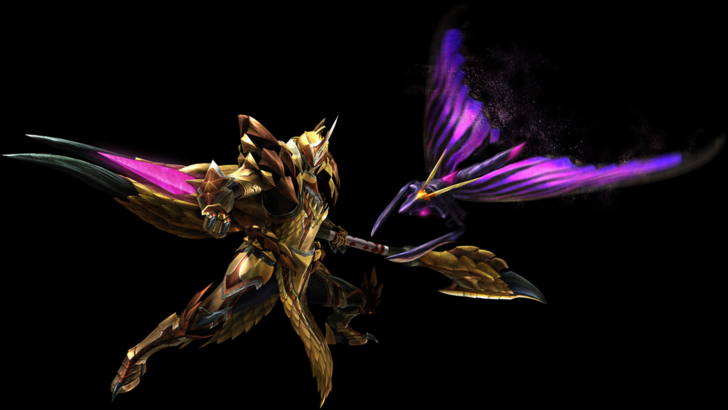
The Insect Glaive, introduced in Monster Hunter 4, offers aerial supremacy through its Kinsect, which collects essences to grant buffs. These essences enhance attack, mobility, and defense, with the weapon excelling in mounting monsters.
While its core gameplay remained consistent, Monster Hunter World: Iceborne added the Descending Thrust finisher. Monster Hunter Rise simplified Kinsect upgrades and introduced new types, making the weapon more accessible. The Insect Glaive's unique buff system and aerial prowess make it a standout weapon in the series.
Charge Blade

The Charge Blade, introduced in Monster Hunter 4, is a versatile weapon with Sword and Axe modes. It uses Sword Mode to charge phials and Axe Mode to unleash the Amped Elemental Discharge. Known for its complexity, mastering its Guard Points and mode transitions is crucial.
The Charge Blade's balanced offense and mechanical depth make it a rewarding weapon to master, offering a unique and engaging gameplay experience.
Will There Be More?

While Monster Hunter Wilds will feature the fourteen weapons mentioned, the series has a rich history of weapons not yet released in the West. Given its longevity, future games may introduce new weapons or reintroduce existing ones. As a fan, I hope for more innovative weapons to enhance the series' already captivating gameplay, though I may stick with the Sword and Shield despite my intentions to try new weapons.
You may also like...

-
 Subnautica is finally making its way to mobile devices. First released in 2018 for PC and Mac, this deep-sea survival game quickly gained a reputation as a must-play title. It later expanded to PlayStation, Xbox, and next-generation consoles, with aAuthor : Lucas Mar 30,2026
 -
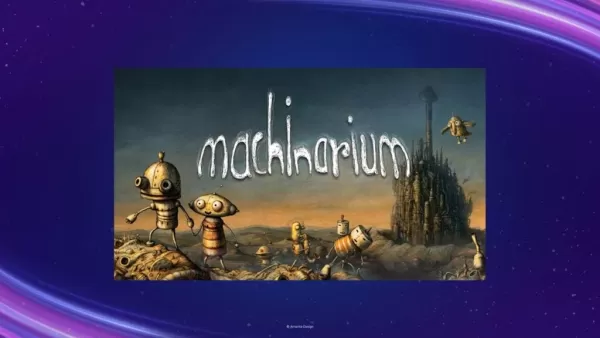 A new free mobile game is now available on the Epic Games Store—this time, it’s Machinarium. You can claim it for free from August 28th to September 4th, 2025, and it’s accessible to Android users around the world. Machinarium is a critically acclaimAuthor : Benjamin Mar 28,2026
-
 You Let The Next Hero In 1-2Download
 -
 Who is it?Download
 -
 Stickman Warriors Legend FightDownload
 -
 Toilet Robot Monster Game 3DDownload
 -
 Baby CareDownload
 -
 Cubix PuzzleDownload
 -
 Ludo Live! Heroes & StrategyDownload
 -
 Bible Quiz - Free Offline Trivia AppDownload
 -
 Formula racing manager Car SimDownload
 -
 Puppy MatchDownload






- Stardew Valley: How To Befriend Willy
- DISCOVERY CHANNEL TO UNVEIL CROSSOVER IN 'Reverse: 1999' 2.0
- Crunchyroll Game Vault adds Battle Chasers: Nightwar, Dawn of the Monsters, Evan’s Remains and more
- Hotta Studio's Open-World RPG, Neverness to Everness, Announced
- Military Strategy Game Warpath Launches a Navy Update with 100 New Ships
- Half-Life 3 Speculations Spark Again as Risk of Rain Original Devs Join Valve's Game Dev Team