
ReFantazio: Silent Protagonists in Modern RPGs

Dragon Quest Creator Discusses Modern Challenges of Silent ProtagonistsSilent Protagonists Appear Increasingly Inappropriate in Modern Games

Yuji Horii, the creator of the renowned Dragon Quest RPG series, discussed RPGs with Katsura Hashino, director of Atlus’ forthcoming RPG, Metaphor: ReFantazio. This conversation was highlighted in a recently released interview excerpt from the "Metaphor: ReFantazio Atlas Brand 35th Anniversary Edition" booklet. The RPG directors addressed diverse storytelling facets within this specific video game genre, including the difficulties faced by established franchises like Dragon Quest as video game visuals become more lifelike.
A core element of the Dragon Quest series is its utilization of a silent protagonist, or as Horii termed it, “the symbolic protagonist.” Employing silent protagonists enables players to imbue the main character with their own feelings and responses, potentially enhancing one's engagement with the game's setting. These silent characters generally act as player surrogates, interacting with the game world mainly through dialogue choices instead of spoken words.
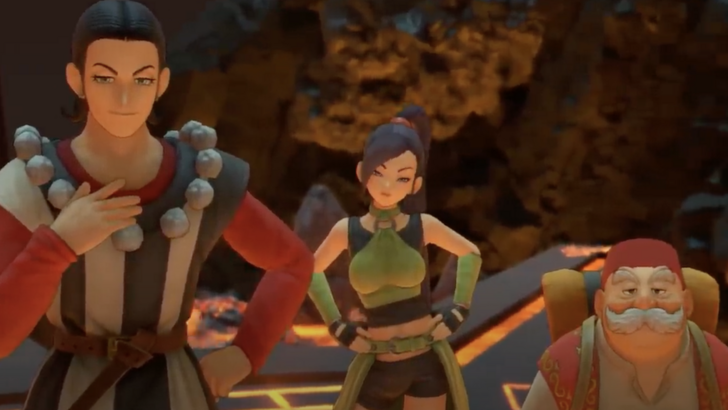
Horii mentioned he initially aimed to be a manga artist, and stated that his love for storytelling and fascination with computers propelled him to enter the video game industry. Dragon Quest was ultimately born from Horii's passions, along with the game's premise of story progression through game boss encounters. "Dragon Quest basically consists of dialogue with townspeople, with very little in the way of narration. The story is created using the dialogue. That’s what’s fun about it," he explained.
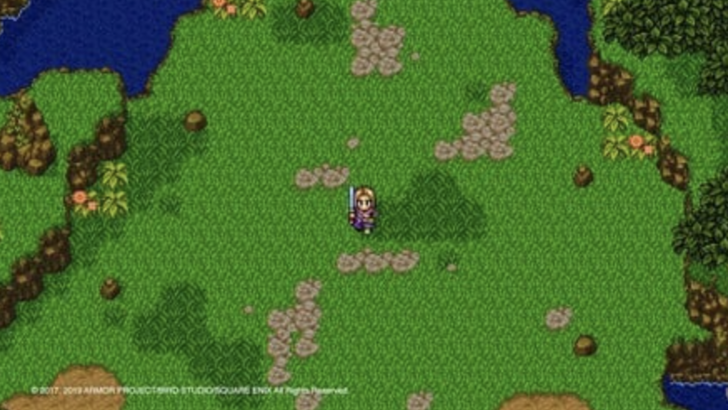
"That’s why, the kind of protagonist featured in Dragon Quest becomes increasingly hard to portray as games become more realistic. This will be a challenge in the future too," the creator concluded.
Metaphor ReFantazio Director Believes Dragon Quest Prioritizes Players' Feelings

While the Dragon Quest creator considered the limited emotional impact of silent protagonists in modern games, Hashino praised Horii for the unique and emotionally resonant experience the game offers. "I think Dragon Quest puts a lot of thought into how the player will feel in a given situation," Hashino told Horii, "even when it's to do with an ordinary townsperson. I feel like the games are consistently created with the player in mind, considering what emotions will arise when someone speaks."
-
 The gaming landscape keeps advancing, and with groundbreaking solutions like BlueStacks Air, enjoying Android games on Mac has reached new heights of convenience and entertainment. Honkai: Star Rail stands out as a prime example - HoYoverse's turn-baAuthor : Aaliyah Apr 15,2026
 -
 Following today's Nintendo Direct presentation for the Switch 2, Nintendo has officially announced a retail price of $449.99.The Nintendo Switch 2, launching on June 5, 2025, was fully unveiled today, with pre-orders set to begin on April 9.“The NintAuthor : Riley Apr 15,2026













- Retro-Style Arcade Racer Victory Heat Rally Is Coming To Mobile Soon Via Crunchyroll!
- DISCOVERY CHANNEL TO UNVEIL CROSSOVER IN 'Reverse: 1999' 2.0
- Crunchyroll Game Vault adds Battle Chasers: Nightwar, Dawn of the Monsters, Evan’s Remains and more
- Hotta Studio's Open-World RPG, Neverness to Everness, Announced
- Military Strategy Game Warpath Launches a Navy Update with 100 New Ships
- Golden Joystick Awards 2024 Was a Big Showing for Indie Games