
"Remakes Key to Bethesda's Revival, Oblivion Shows"
By Azura, by Azura, by Azura – the rumors were true. Yesterday, Bethesda set the internet ablaze by finally unveiling Virtuos' remaster (or should we call it a remake?) of The Elder Scrolls IV: Oblivion. This unexpected 'Elder Scrolls Direct' ended with a surprise shadow-drop, sending hundreds of thousands of players diving in almost immediately. In these challenging times for Bethesda Game Studios, this moment of global excitement feels like a welcome respite. After years of managing the fallout from Fallout 76's troubled launch and the mixed reception of their new sci-fi venture, Starfield, many fans have been left wondering: Has Bethesda lost its touch? The competition in the RPG genre has intensified, with acclaimed titles like Larian Studios' Baldur's Gate 3 and Obsidian's The Outer Worlds series stepping up as worthy successors to the Elder Scrolls and Fallout franchises. While Elder Scrolls 6 and Fallout 5 remain distant dreams, this re-release of Oblivion might be the first step in the right direction – just not the one you might expect.
At its zenith, Bethesda Game Studios was the undisputed champion of RPGs. According to leaked Microsoft FTC documents from 2020, Fallout 4 had sold an impressive 25 million units, with over 5 million sold in its first week alone, as reported by VGChartz. In 2023, Todd Howard announced that Skyrim had surpassed 60 million sales, though its numerous re-releases certainly played a role. In contrast, Starfield's sales are estimated at just over three million units a year and a half after its launch. Even considering Game Pass subscribers and the absence of a PlayStation version, this figure must be a letdown for Bethesda. While Starfield does have its fans, their numbers pale in comparison to those of The Elder Scrolls and Fallout, and even they have expressed dissatisfaction with the game's first expansion, Shattered Space.
This situation presents a significant challenge for the developer. With The Elder Scrolls 6 still "years away" and Fallout 5 merely a whisper in the studio's corridors, how can this once-iconic RPG developer recapture the hearts of its fanbase? The answer may lie in revisiting its past.
Rumors of the Elder Scrolls IV: Oblivion remaster surfaced in September 2023, when leaked Microsoft documents hinted at several unannounced Bethesda projects, including a remaster of the 2006 classic. The buzz continued until January 2025, when a former Virtuos employee leaked more details, sparking debates among Elder Scrolls fans about their authenticity, reminiscent of the Stormcloaks vs. the Imperials divide. Finally, last week, the floodgates opened (a bit prematurely), igniting the internet – Google searches for 'The Elder Scrolls IV: Oblivion' surged by 713% in the last week, reaching over 6.4 million. At its peak, Bethesda's reveal livestream attracted over half a million viewers. Despite the leaks (or perhaps because of them), more than 600,000 people tuned in to see a 19-year-old game reintroduced. The overwhelming demand to play the remaster caused sites like CDKeys to crash, while Fanatical and Green Man Gaming struggled to keep up. As of yesterday, Steam reported 125,000 concurrent players, with the game topping the best-seller list. The enthusiasm for Oblivion among Bethesda fans is as intense as the flames pouring from the Oblivion gates themselves.
The message from players is clear: if you (re)build it, they will come. What better way to keep fans engaged during these long development cycles than to invite them back to the enchanting realms of Morrowind or the post-apocalyptic landscapes of the East Coast? From a business perspective, this strategy is a no-brainer. While Bethesda's main team focuses on new, long-term projects, trusted partners like Virtuos can use existing blueprints to create remasters in a shorter timeframe. These remasters tap into established fanbases and introduce new generations to the rich worlds of Tamriel or the post-apocalyptic adventures in Las Vegas and D.C.
Bethesda has already demonstrated the effectiveness of this approach. During the first season of the Fallout TV show on Prime Video, Fallout 4 was discounted by up to 75%, accompanied by a timely next-gen update that included nods to the show. As a result, Fallout 4 sales in Europe alone surged by over 7,500%, despite the game being nearly a decade old.
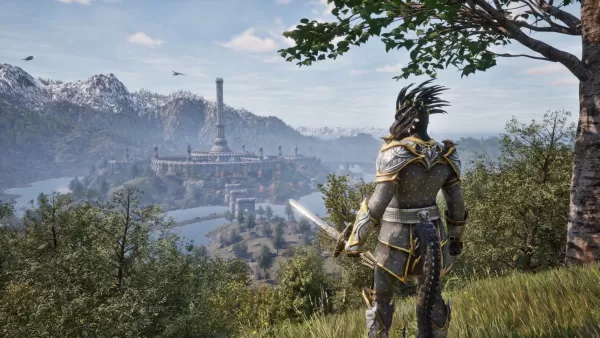
Looking back at Microsoft's leaked Bethesda roadmap, many noted a planned Fallout 3 remaster following Oblivion by two years. Although the original timelines have shifted – Oblivion was initially slated for fiscal year 2022 – if the original intervals hold, a Fallout 3 remake might be on the horizon for 2026, coinciding with the second season of the Fallout TV show. Given the show's shift to New Vegas, could Bethesda be planning a surprise New Vegas remake? The first season's alignment with Fallout 4's vibe and aesthetic suggests that Bethesda might be gearing up for an even more strategic move with the New Vegas-focused second season. After shadow-dropping Oblivion, it's not far-fetched to think a New Vegas Remastered trailer might be waiting at the end of Fallout Season 2's finale.
The message from players is clear: if you (re)build it, they will come. However, if there's one game in Bethesda's catalog that truly deserves a remake, it's The Elder Scrolls III: Morrowind. For years, Elder Scrolls fans have been clamoring for this, with some even remaking Morrowind using Skyrim's tools, as seen in projects like Skyblivion. Yet, Morrowind poses a unique challenge. It stands at the crossroads of Bethesda's evolution, built differently from what we now recognize as an Elder Scrolls game. It's only partially voiced, relies heavily on text for storytelling, lacks quest markers (forcing players to jot down directions from NPCs), and has no combat physics. While Virtuos managed to refine some of Oblivion's more cumbersome systems, Morrowind itself is a complex system. This is why it's both beloved and difficult to remake. Remaking Morrowind is a delicate balancing act. Modernize it too much, and you risk losing its original charm. Retain too many outdated elements, and it might feel more frustrating than a severe skooma hangover.
When a studio becomes synonymous with a gaming sub-genre, the challenge is to innovate while retaining its audience. Rockstar Games has kept Grand Theft Auto fans engaged for over a decade with the ever-evolving GTA Online, which in turn supports the rumored hefty budget for GTA 6. Bethesda's core strength lies in its richly detailed, expansive single-player worlds – something that Elder Scrolls Online and Fallout 76 have struggled to replicate. The overwhelming response to Virtuos' Oblivion remaster shows that gamers are eager to revisit the historic worlds of the Elder Scrolls. However, not every remaster is guaranteed success – this one is a testament to careful planning and skilled execution. A less polished remaster might have faced a different fate, as seen with Rockstar's GTA Definitive Editions. But what better way for the former king of modern RPGs to regain its footing than by revitalizing some of its classic titles?
-
 This week's free game lineup on the Epic Games Store mobile app is here, and it features DC Heroes United alongside Shapez.Whether you love factory simulations or superhero action, there's something for everyone. The games are free to claim from JuneAuthor : Andrew Apr 24,2026
 -
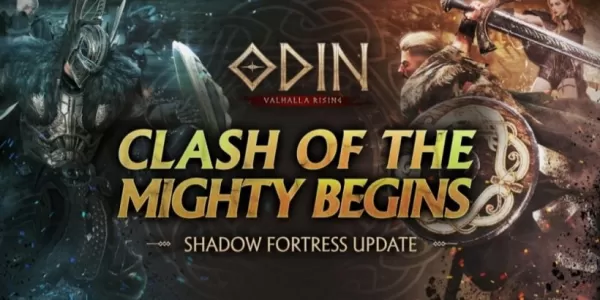 Shadow Fortress is the new elite dungeon featuring high-stakes encountersNew Imprint System lets you push your stats furtherThe Summer Island event features loads of rewards to gatherOdin: Valhalla Rising is turning up the heat this summer with its sAuthor : Camila Apr 22,2026








- Retro-Style Arcade Racer Victory Heat Rally Is Coming To Mobile Soon Via Crunchyroll!
- DISCOVERY CHANNEL TO UNVEIL CROSSOVER IN 'Reverse: 1999' 2.0
- Crunchyroll Game Vault adds Battle Chasers: Nightwar, Dawn of the Monsters, Evan’s Remains and more
- Hotta Studio's Open-World RPG, Neverness to Everness, Announced
- Military Strategy Game Warpath Launches a Navy Update with 100 New Ships
- Golden Joystick Awards 2024 Was a Big Showing for Indie Games